Skip to content
🚚 Free delivery from €39 purchase 🚚 Free delivery from €39 purchase

⭐⭐⭐⭐⭐ 4.8/5 based on over 1,400 reviews

⭐⭐⭐⭐⭐ 4.8/5 based on over 1,400 reviews

  • Diagnostic Daylily Paris
    Diagnostic
    Créer ma routine de soins personnalisée en 2 minutes
  • Diagnosis
  • All our products
    • Selections
      Selections
      • Bestsellers
      • Anti-stretch mark oil
      • Anti-stretch mark cream
      • Anti-cellulite balm
      • Sunscreen
      • Déodorant
      • Day cream
      • Masque apaisant ventre
      • Postpartum Kit
      • Boxes
      • E-gift cards
    • Moments
      Moments
      • Pregnancy
      • Postpartum
      • At any time
      • Desire for a child
    • Categories
      Categories
      • Facial care
      • Body care
      • Solar
      • Hygiene products
      • Anti-nausea herbal tea
    • Needs
      Needs
      • Stretch mark prevention
      • Stretch mark correction
      • Solar
      • Tightness and itching
      • Firmness and cellulite
      • Pregnancy mask prevention
      • Anti-nausea
      • Scrub
      • Postpartum
      • Hydration and nutrition
  • Gift boxes
    • Future mom
    • Young mom
    • All the moms
    • E-gift cards
  • The brand
  • Daylily Mag
  • The Mama Club 🧡
  • Points of sale
  • Language
    • English
    • Français
  • Facebook
  • Pinterest
  • Instagram
  • TikTok
  • LinkedIn
Language
  • English
  • Français
Points of sale
Daylily Paris Daylily Paris
  • Diagnosis
  • All our products
    Selections
    • Bestsellers
    • Anti-stretch mark oil
    • Anti-stretch mark cream
    • Anti-cellulite balm
    • Sunscreen
    • Déodorant
    • Day cream
    • Masque apaisant ventre
    • Postpartum Kit
    • Boxes
    • E-gift cards
    Moments
    • Pregnancy
    • Postpartum
    • At any time
    • Desire for a child
    Categories
    • Facial care
    • Body care
    • Solar
    • Hygiene products
    • Anti-nausea herbal tea
    Needs
    • Stretch mark prevention
    • Stretch mark correction
    • Solar
    • Tightness and itching
    • Firmness and cellulite
    • Pregnancy mask prevention
    • Anti-nausea
    • Scrub
    • Postpartum
    • Hydration and nutrition
  • Gift boxes
    • Future mom
    • Young mom
    • All the moms
    • E-gift cards
  • The brand
  • Daylily Mag
  • The Mama Club 🧡
  • Points of sale
Log in
Cart
Home › Daylily Mag › Why does my baby cry in their sleep? Understanding and soothing their nights
Tout
  • Desire for a child
  • Pregnancy
  • Childbirth
  • Postpartum
  • Parenthood
  • baby
  • Cosmetics
  • Testimonials
  • News
Routine du coucher bébé pour favoriser le sommeil

Why does my baby cry in their sleep? Understanding and soothing their nights

Publié le March 12, 2026, mis à jour le March 24, 2026,
Audrey Hababou, Experte en développement produit & fondatrice chez Daylily Paris
Par Audrey Hababou
Experte en développement produit & fondatrice chez Daylily Paris

Fondatrice de Daylily, Audrey Hababou développe des soins dédiés à la grossesse et au post-partum, en alliant efficacité, sensorialité et sécurité. Experte en développement produit, elle conçoit des formules adaptées aux besoins spécifiques des femmes. Elle défend une approche du soin à la fois efficace, sensorielle et clean.

  1. Physiological causes: when baby's body expresses itself
    • Digestive problems: colic, gas, and digestion
    • Hunger and physiological needs
    • Child development
  2. Restless sleep: nightmares or night terrors?
    • Nightmares in children
    • Crying to release tension
    • The sleep cycle (REM sleep)
  3. Environment and routine: the keys to peaceful sleep
    • Establishing a bedtime routine
    • Optimizing the sleep environment
  4. My baby cries at night: how to soothe them without waking them up?
    • Comfort through voice or touch
    • Should I intervene immediately?
    • Taking care of yourself too


Hearing your baby cry in their sleep can be very unsettling for parents. In the middle of the night, you hear whimpers, sometimes even more intense cries, while the child still seems to be asleep. Should you wake them up? Is it a sign of pain or simply a normal phase of sleep?

Rest assured: in most cases, these night cries are completely normal. Babies' sleep is very different from adults' and includes many phases of restlessness. During these moments, the infant may move, cry, or make small sounds while remaining deeply asleep.

Understanding why baby cries in their sleep allows for a better reaction and more peaceful nights. Between physiological causes, sleep cycles, and the bedtime environment, several factors can explain these awakenings or night cries.

Physiological causes: when baby's body expresses itself

For an infant, crying is an essential means of communication. When a baby cries in their sleep, their body may simply be expressing temporary discomfort.

Digestive problems: colic, gas, and digestion

Digestive problems are among the most common causes of night crying in babies. An infant's digestive system is still immature and must gradually learn to function.

Several discomforts can occur:

  • infant colic
  • accumulation of gas
  • difficult digestion after a meal
  • digestive reflux

These issues can cause crying during sleep, especially in the first months after birth.

Colic often appears at the end of the day or during the night. The baby may then tense up, move their legs, or make small cries without necessarily waking up completely.

Hunger and physiological needs

During the first few weeks of life, night awakenings are common because babies have small stomachs. They need to feed regularly, including at night.

A baby crying in their sleep may simply be signaling:

  • hunger
  • a wet diaper
  • positional discomfort

These signs generally disappear once the need is met.

Child development

Night cries can also be linked to baby's development. Every day, the child discovers new sensations, new faces, and new experiences.

During sleep, their brain processes all this information. This activity can cause movements, sounds, or transient cries.

This phenomenon is particularly common during developmental leaps, when the child reaches a new stage in their growth.

Bébé qui dort sereinement dans son berceau

Restless sleep: nightmares or night terrors?

Many parents immediately think of nightmares when their baby cries in their sleep. However, in infants, night crying is rarely related to actual dreams.

Nightmares generally appear in older children, often after the age of 2 or 3. They occur during REM sleep and can wake the child up crying.


In babies, sleep works differently.

Night terrors

Night terrors are still different. They occur mainly in children between 3 and 6 years old. The child may then scream, cry, or seem awake while sleeping deeply.

Therefore, in an infant, night cries are rarely related to these phenomena.

Crying to release tension

Release cries are very common in babies. After a day rich in stimulation, the baby can release their emotions during sleep.

These cries sometimes allow the infant to release accumulated tensions during the day.

The sleep cycle (REM sleep)

REM sleep, also called paradoxical sleep, represents a large part of babies' sleep.

During this phase:

  • the baby moves
  • their eyes move under their eyelids
  • they may make faces or cry

They may seem awake while still sleeping deeply. This is why some specialists recommend waiting a few seconds before intervening.

In many cases, the child goes back to sleep on their own.

Environment and routine: the keys to peaceful sleep

Babies' sleep is strongly influenced by their environment and daily habits. Establishing a stable bedtime routine can help promote more peaceful sleep.

Establishing a bedtime routine

A regular routine allows the baby to understand that night is approaching. This reassuring habit can include several simple steps:

  • a soothing bath
  • a quiet time with parents
  • a story or a lullaby
  • a cuddle before bedtime

These rituals allow the child to gradually relax and prepare for sleep.

Optimizing the sleep environment

The environment also plays an important role in sleep quality.

Some elements can help limit night cries:

  • a temperature of around 18-20°C
  • a quiet room
  • soft or dimmed lighting
  • white noise to mask outside sounds

Some parents also choose to practice co-sleeping, which can reassure baby and reduce night awakenings.

Maman apaisant son nourrisson qui pleure la nuit

My baby cries at night: how to soothe them without waking them up?

When a baby cries in their sleep, parents often hesitate between intervening immediately or waiting.

Comfort through voice or touch

Sometimes, a simple gesture is enough to soothe the baby without waking them:

  • placing a hand on their belly
  • speaking softly to them
  • stroking their back

The parents' presence can reassure the child and help them fall back asleep.

Should I intervene immediately?

There is no single method for managing night cries. Every child is different.

Some babies need reassuring contact, while others fall back asleep on their own after a few moments.

Observing your child often allows you to gradually understand their needs.

Taking care of yourself too

Fragmented nights can be challenging for parents, especially during the postpartum period. Lack of sleep can increase fatigue and stress.

It is therefore important to take care of yourself during this time. Some mothers like to establish a small wellness ritual after the baby goes to bed.

Applying a pregnancy stretch mark oil or a pregnancy stretch mark cream can become a moment of pause in a busy daily life.

These small moments of self-care are precious during the 4th trimester, this period of adaptation following birth.
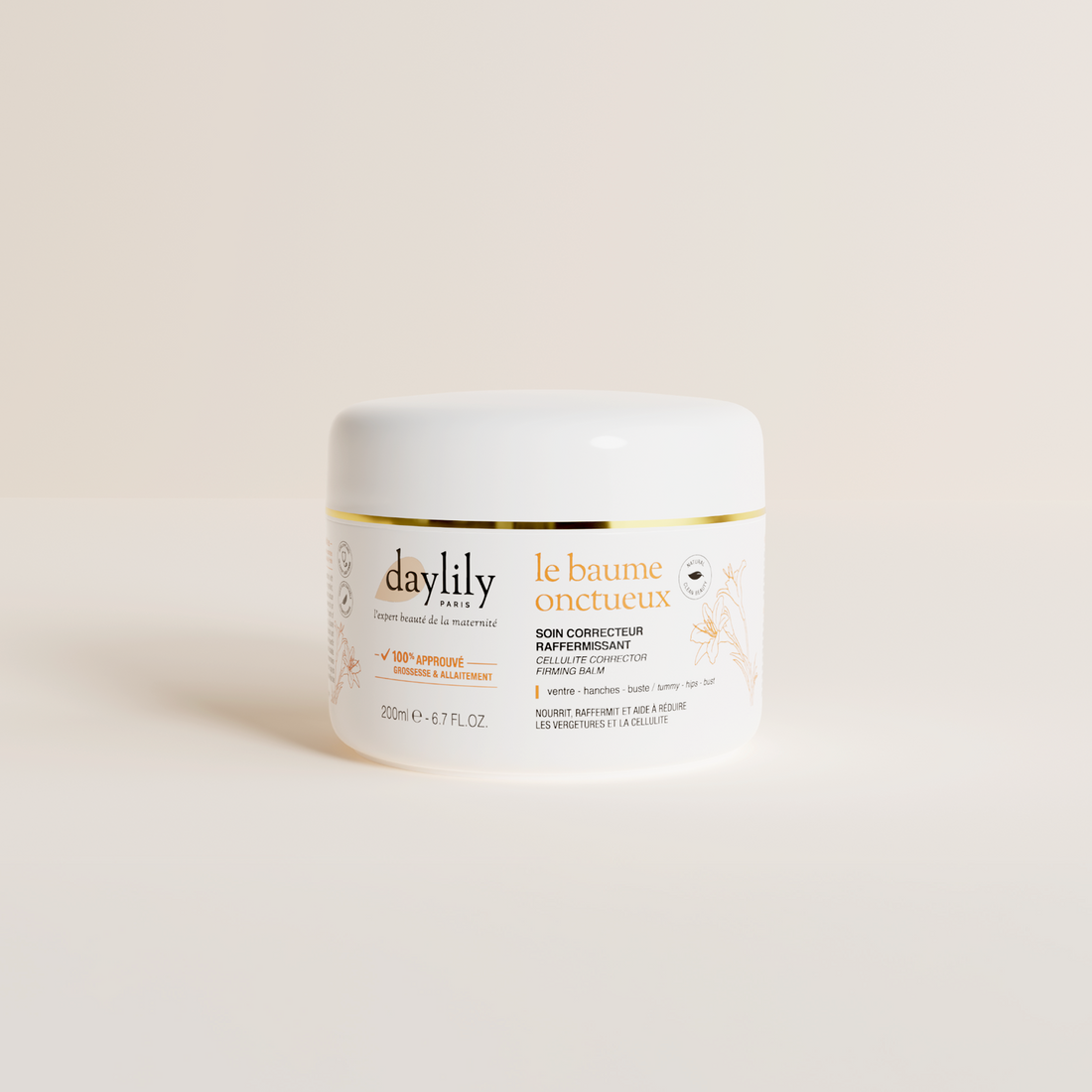

Le Baume Onctueux
Le Baume OnctueuxLe Baume Onctueux
Le Baume Onctueux 3-in-1 Corrective Treatment | 6.7 fl. oz.
Regular price
35,90 €
Sale price
35,90 €
Regular price
Add to cart
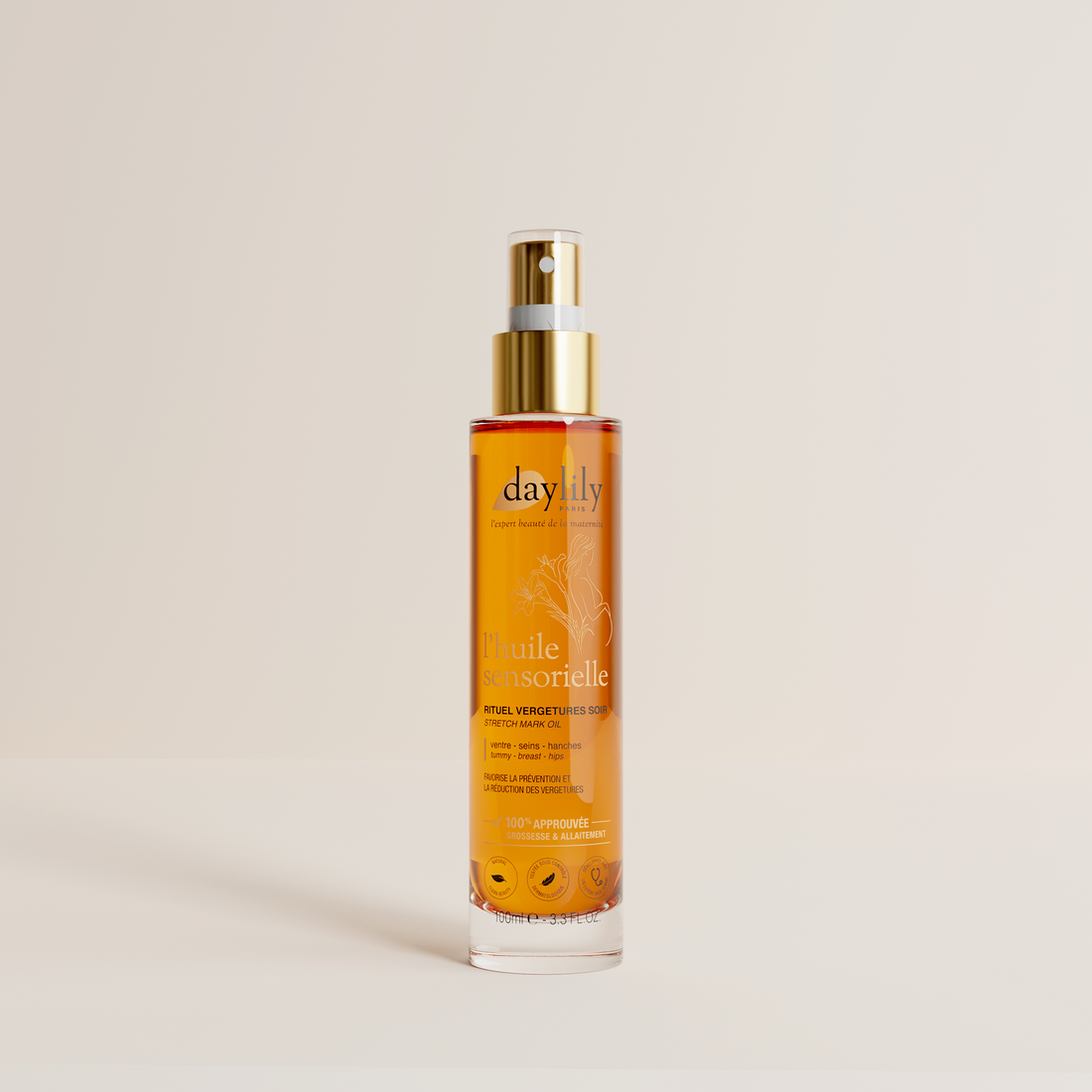
L'Huile Sensorielle
L&L&
L'Huile Sensorielle Evening Anti-Stretch Mark Ritual | 3.3 fl. oz.
Regular price
30,90 €
Sale price
30,90 €
Regular price
Add to cart

Questions fréquentes

Est-ce normal que mon enfant pleure en dormant chaque nuit ?

Oui, dans la plupart des cas c’est normal. Les bébés traversent plusieurs cycles de sommeil et peuvent pleurer pendant certaines phases sans être réellement réveillés.

Si l’enfant grandit bien et ne montre pas de signes de maladie, ces pleurs sont généralement sans gravité.

Quelle solution naturelle pour calmer les pleurs de naissance ?

Plusieurs solutions naturelles peuvent aider à calmer les pleurs :

  • instaurer une routine du soir régulière
  • vérifier la digestion et les coliques
  • favoriser un environnement calme
  • utiliser le toucher rassurant

Avec le temps et le développement de l’enfant, les nuits deviennent souvent plus paisibles.

Mon bébé pleure dans son sommeil mais ne se réveille pas : que faire ?

Si bébé pleure mais reste endormi, il peut être utile d’attendre quelques instants avant d’intervenir. Il s’agit souvent d’une transition entre deux cycles de sommeil.

Dans de nombreux cas, le bébé se rendort seul.

À quel âge les nuits de bébé deviennent-elles plus calmes ?

Chaque enfant évolue à son rythme. En général, les nuits commencent à s’allonger progressivement entre 3 et 6 mois, lorsque les cycles de sommeil deviennent plus matures.

A lire également :

Problématique de peau :

Pregnancy urticaria: treatments

Chouchoutage et grossesse :

Pregnancy and bathing: relax gently!

Bien vivre son post-partum :

Postpartum hair loss, how to avoid it?

Maternité :

How to fight the baby blues?

Découvrez nos soins

  • L'Huile Sensorielle
    L&L&
    L'Huile Sensorielle Evening Anti-Stretch Mark Ritual | 3.3 fl. oz.
    Regular price
    30,90 €
    Sale price
    30,90 €
    Regular price
    Add to cart
  • Le Lait Fondant
    Le Lait FondantLe Lait Fondant
    Le Lait Fondant Morning Anti-Stretch Mark Ritual | 6.7 fl. oz.
    Regular price
    29,90 €
    Sale price
    29,90 €
    Regular price
    Add to cart
  • Second Trimester Set
    Second Trimester SetCoffret 2ème Trimestre - Daylily Paris
    Second Trimester Set Daily beauty essentials
    Regular price
    76,00 €
    Sale price
    76,00 €
    Regular price
    85,70 €
    Add to cart
    –12%
  • Mama Louve
    Mama LouveMama Louve
    Mama Louve Skin-to-skin headband
    Regular price
    39,90 €
    Sale price
    39,90 €
    Regular price
    Add to cart
  • Customer service

    at your service

  • Free delivery

    from €39 purchase

  • A gift given

    from €100 purchase

  • 99% of you

    are satisfied

  • Present box

    now available

  • Secure payment

    up to 3x free

  • Back

    within 14 days

Daylily Paris

  • Our history
  • Our values
  • The loyalty program
  • Occasions of the year

Vos besoins

  • Diagnosis
  • Stretch mark oil for pregnancy
  • Stretch mark cream for pregnancy
  • Pregnancy gift set
  • Postpartum Products

Les guides à la une

  • Pregnancy month by month
  • Postpartum
  • Ingredients not recommended during pregnancy

Help

  • Points of sale
  • Contact us
  • Frequently Asked Questions
  • Delivery and return

  • Facebook
  • Pinterest
  • Instagram
  • TikTok
  • LinkedIn
  • Follow us on social media!
© 2026, Daylily Paris.
  • Refund policy
  • Shipping policy
  • Contact information
  • Terms of sale
  • Legal notice
Language
  • English
  • Français
  • Choosing a selection results in a full page refresh.