Postpartum bleeding and breastfeeding: when to expect the first period?

The return of menstruation is when periods resume after childbirth . This return varies depending on several factors, but one of the most significant is breastfeeding . When a woman breastfeeds , her body produces a hormone called prolactin . This hormone promotes breast milk production , but it also plays an important role by inhibiting ovulation . It is this lack of ovulation that delays the menstrual cycle in many women after the birth of their baby .
In the case of exclusive breastfeeding , where the baby is fed only at the breast, prolactin is produced in higher quantities. This can delay the return of menstruation for several months. Some women don't get their first period until they have completely stopped breastfeeding . Conversely, if breastfeeding is partial, meaning the baby receives both breast milk and formula, menstruation may return sooner, sometimes after just a few weeks .
The experiences of new mothers vary. Some regain their menstrual cycle only 6 to 8 weeks after giving birth , even while breastfeeding , while others wait several months, or even until they have finished breastfeeding . The return of menstruation is unique to each woman and depends on many factors, such as the frequency of breastfeeding , milk production , and hormonal changes after childbirth .
- Postpartum bleeding and return of menstruation: what are the differences?
- The return of menstruation: what are the effects on milk production and breastfeeding?
- Contraception and postpartum bleeding: what you need to know
- What to do in case of a late or painful return of menstruation?
- Take care of yourself during your postpartum period.
Postpartum bleeding and return of menstruation: what are the differences?
After childbirth , women experience bleeding called lochia . This bleeding is normal and comes from the healing of the uterus. Lochia should not be confused with the return of menstruation ; it is not a period , but rather blood loss that occurs immediately after the baby 's birth .
Lochia usually lasts between 4 and 6 weeks , sometimes a little longer. It is heavy at first, then gradually decreases. The lochia changes from bright red to a pinkish color, then becomes lighter over the course of several days .
The return of menstruation occurs later, once the lochia has ended and the menstrual cycle resumes. This return of menstruation marks the resumption of ovulation and can occur a few weeks or several months after childbirth , depending on whether the woman is breastfeeding or not. It is therefore important not to confuse these two distinct phases of the postpartum period.

.
The return of menstruation: what are the effects on milk production and breastfeeding?
The return of menstruation can sometimes cause slight changes in breast milk production . Some women experience a temporary decrease in their milk supply , but this is often temporary. Menstruation does not stop milk production , and most babies continue to breastfeed without any problems. To maintain a good supply, continue to breastfeed frequently and stay well hydrated.
Regarding the taste of breast milk , it may change slightly during the postpartum period due to hormonal fluctuations. However, this generally does not affect breastfeeding , and babies adapt quickly.
To continue breastfeeding peacefully during this period, be patient and do not get discouraged if there are slight drops in production .
=== Adding product 1 ===
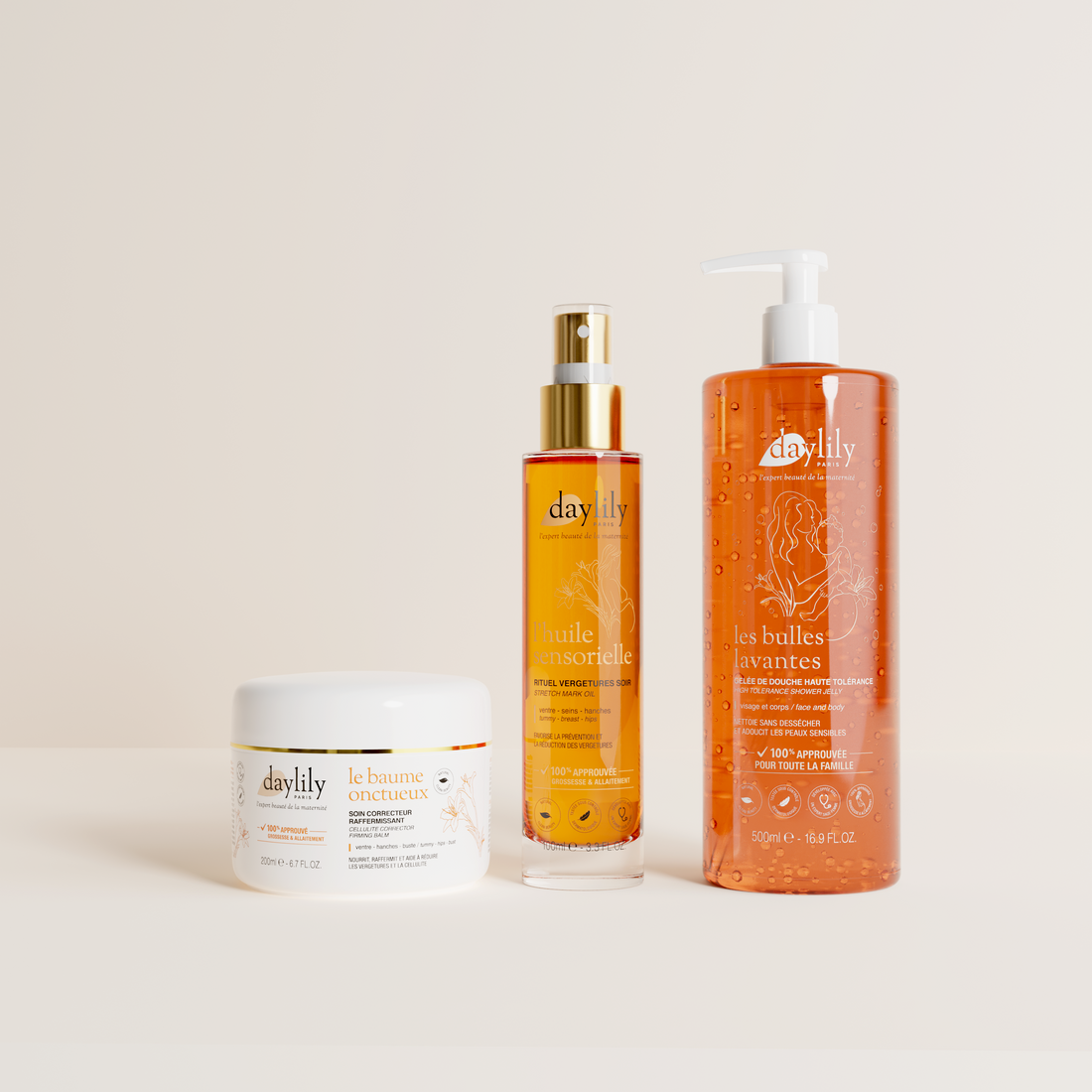
Sensorial Oil
=== Adding product 1 ===
=== Adding product 1 ===
Mama Saver
=== Adding product 1 ===
Contraception and postpartum bleeding: what you need to know
The LAM (Lactational Amenorrhea Method) relies on exclusive breastfeeding to delay ovulation and the return of menstruation . This method is effective when the baby is exclusively breastfed, day and night, and the mother has not yet had her period . However, once ovulation returns , this method is no longer reliable.
Even while breastfeeding , ovulation can resume without any obvious signs. It is therefore essential to use a suitable method of contraception if you do not wish to become pregnant again. Several contraceptive methods are compatible with breastfeeding , including the non-hormonal IUD , progestin-only hormonal contraceptives (the mini-pill), and barrier methods such as condoms.
Don't hesitate to talk to a healthcare professional to choose the method best suited to your needs while continuing breastfeeding .

What to do in case of a late or painful return of menstruation?
If your period is slow to return, it's advisable to consult a doctor more than six months after giving birth , especially if you're not exclusively breastfeeding . A healthcare professional can check that everything is in order and rule out any potential health problems.
If you experience painful periods while breastfeeding , opt for gentle methods to relieve the pain, such as heating pads with the Mama Cool , massages, or soothing herbal teas. Talk to your doctor to find out which medications are compatible with breastfeeding and safe for your baby .
Take care of yourself during your postpartum period.
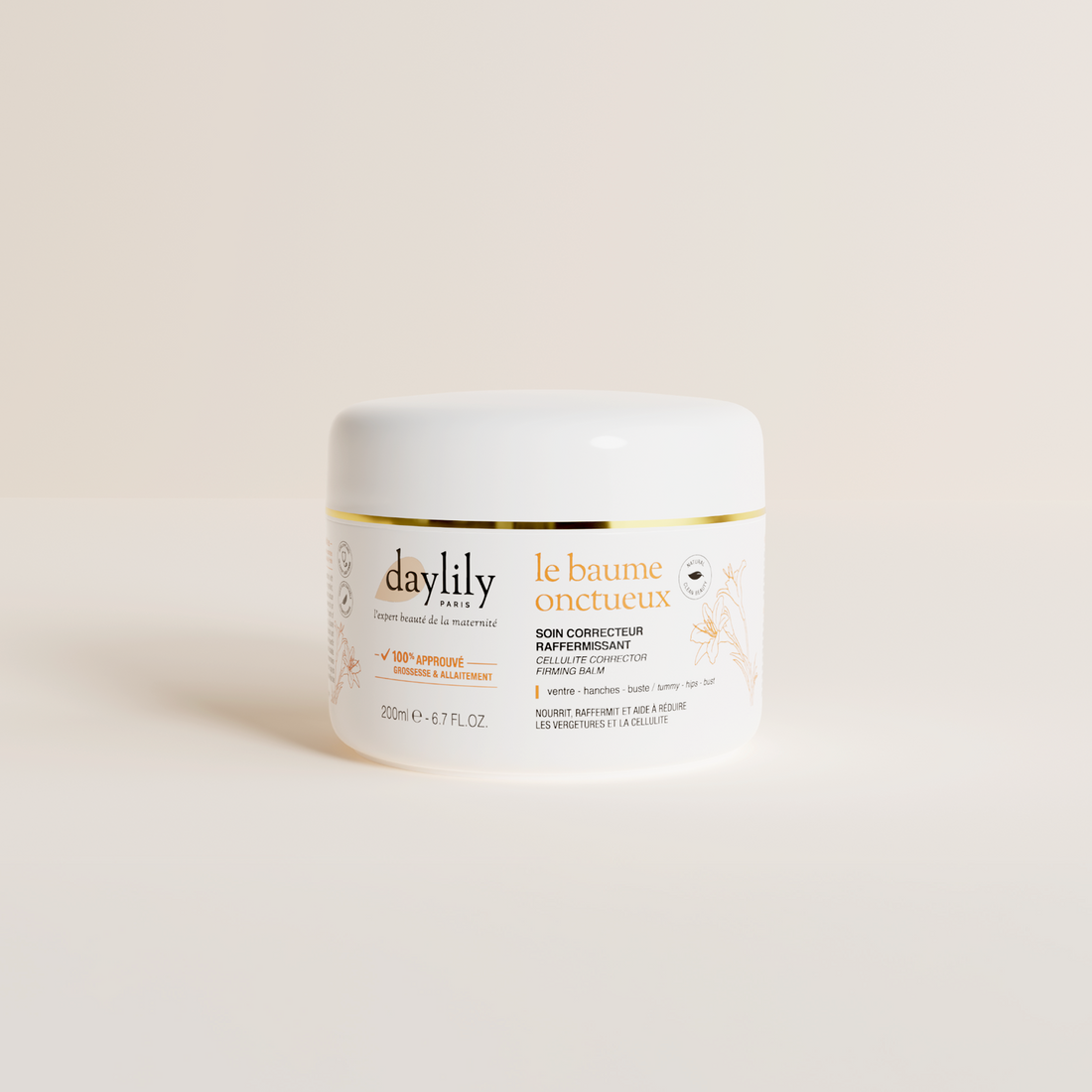
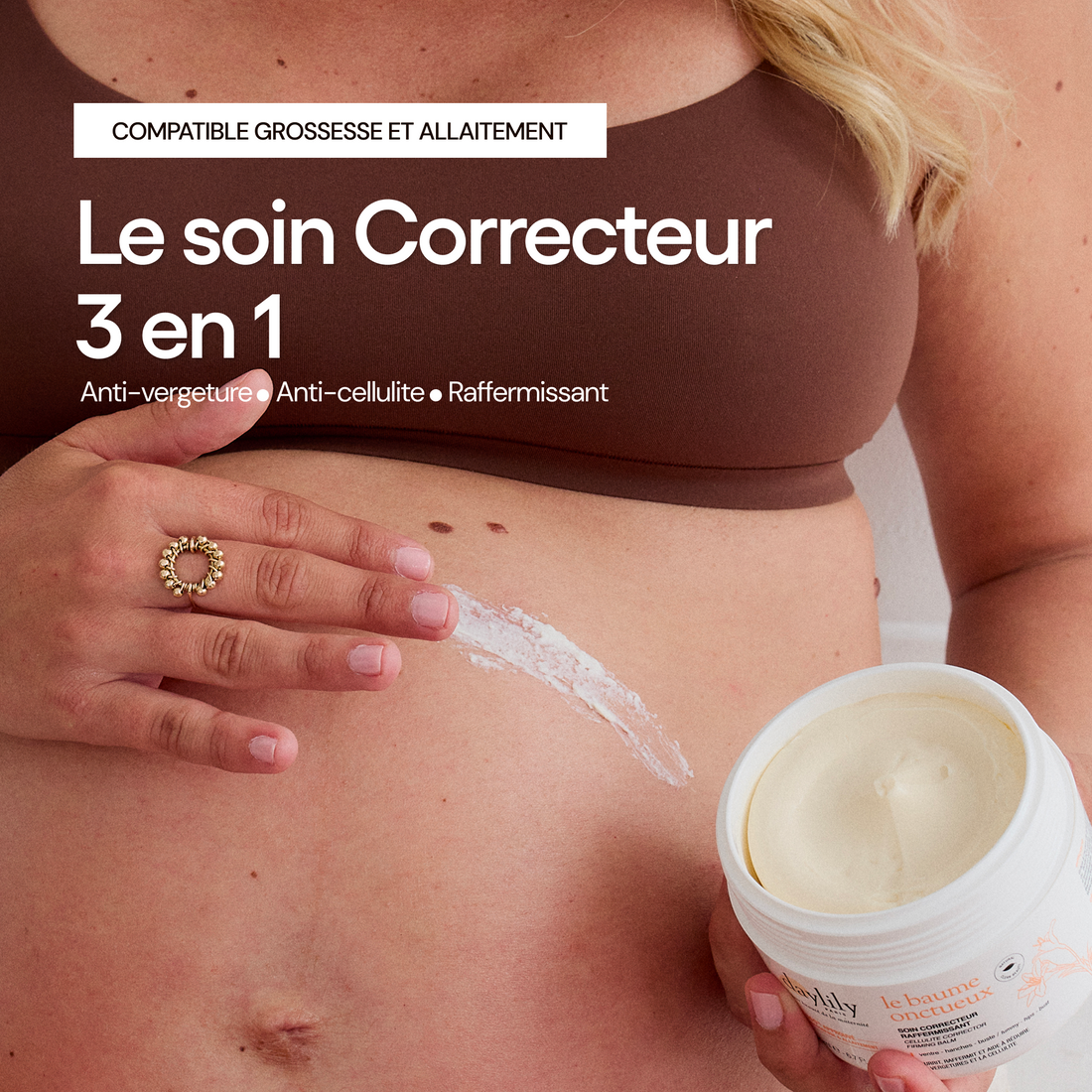
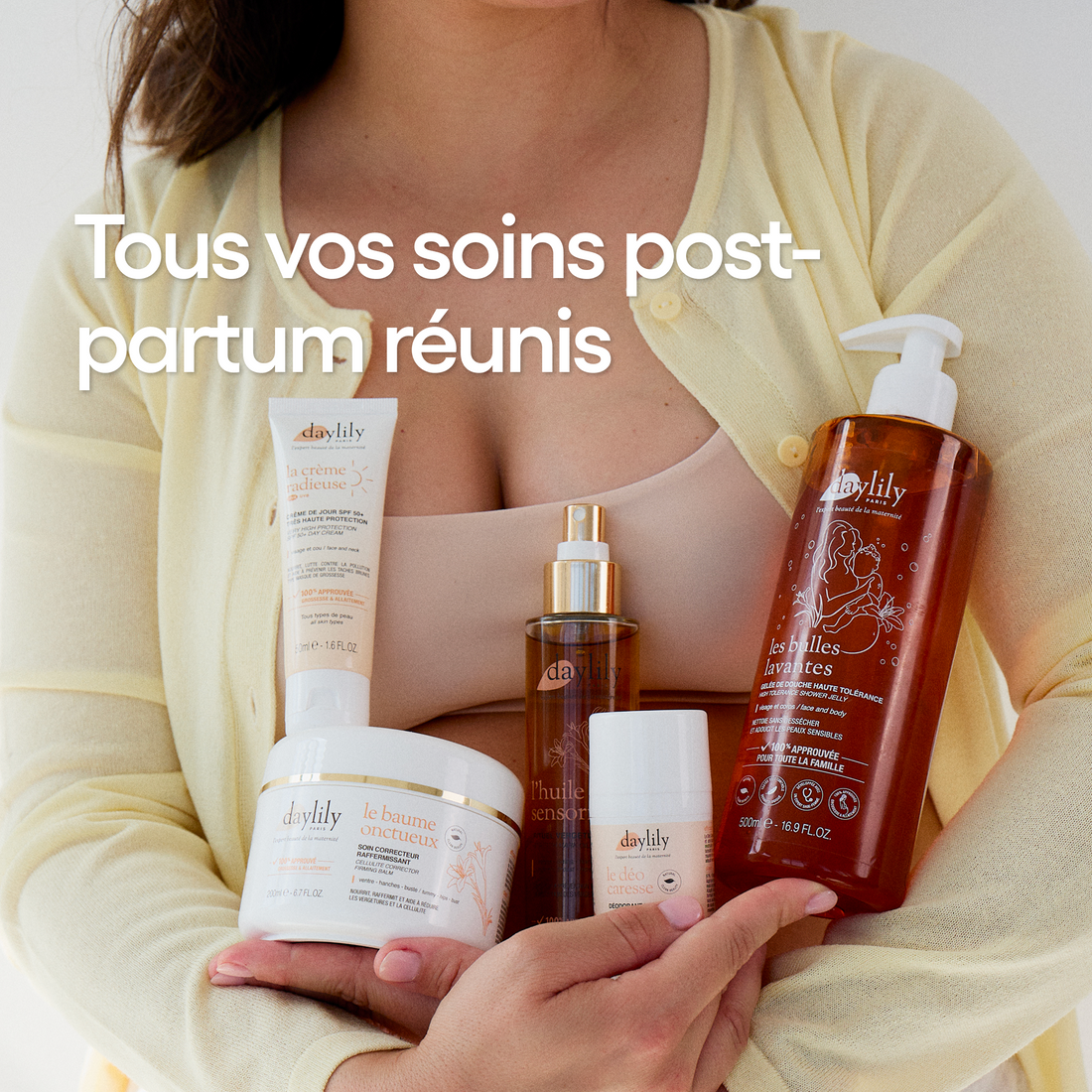
During the postpartum period , the body undergoes numerous hormonal and physical changes. The skin, which has been put under considerable strain during pregnancy, may lack elasticity and develop stretch marks. To help your body recover, it's essential to pamper it with appropriate skincare . Using Daylily Paris anti-stretch mark oil helps maintain skin elasticity and reduce the appearance of new stretch marks. It fits perfectly into a nurturing postpartum skincare routine.
If you're looking for a more comprehensive approach to your postpartum recovery, the Mama Saver Kit is an excellent choice. This postpartum kit , which includes products like the Mama Cool , a hot/cold gel pack to soothe postpartum pain, supports you through every step of returning home and starting your new life with your baby . You'll also appreciate the Mama Louve , our skin-to-skin wrap, perfect for keeping your baby warm and encouraging breastfeeding.

To better navigate this period, allow yourself moments of well-being : take relaxing baths, stay hydrated, and rest whenever possible. Taking care of yourself physically and mentally will help you better manage the changes associated with postpartum .
In conclusion, remember that every postpartum period is unique. It varies depending on breastfeeding and can influence the menstrual cycle in different ways. By preparing with appropriate postpartum care, like that offered by Daylily Paris , you give yourself the best chance of getting through this period smoothly. If you have any doubts or unusual symptoms, don't hesitate to consult a healthcare professional for personalized support. And remember, every woman experiences this at her own pace!