The rebozo treatment: an ancestral ritual to support motherhood

The rebozo treatment is a traditional Mexican ritual using a fabric called a rebozo scarf to wrap, massage, and tighten the body. Highly appreciated during the postpartum period, it also supports pregnancy, childbirth, or certain major life transitions. This treatment provides a deep sense of relaxation, grounding, and physical and emotional well-being.
What is the rebozo treatment?
The rebozo treatment is an ancestral ritual originating from Mexico. Traditionally passed down among women, it uses a long woven fabric called rebozo fabric or rebozo scarf.
Originally, this fabric was used for everyday purposes:
- to carry babies
- to support the pelvis
- to relieve new mothers' bodies
- to support women during childbirth
Over time, the rebozo ritual has become a true women's support treatment.
Today, it is particularly known in the maternity world, notably:
- during pregnancy
- after childbirth
- during the postpartum period
But it can also support:
- IVF
- perinatal grief
- menopause
- or any major life transition
The central idea of the treatment is based on:
- wrapping
- rocking
- tightening the body
- letting go
The rebozo treatment is neither medical nor mystical. Above all, it is a moment of reconnecting with the body, deep relaxation, and physical and emotional support.
The benefits of the rebozo treatment
The rebozo treatment is appreciated for its many benefits, both physical and emotional.

Physical benefits: tightening, relief, and postural support
During maternity, the body goes through immense changes.
The pelvis opens, the muscles work intensely, and the perineum is heavily stressed. The rebozo treatment then helps to gently support the body.
Among the physical benefits often sought:
- sensation of pelvic tightening
- relief of muscle tension
- relaxation of the back and lower back
- improved postural comfort
- sensation of secure wrapping
- Perineal rehabilitation
Some women particularly appreciate this treatment after childbirth or in case of a cesarean section. In order to have a postnatal massage for recovery.
Emotional benefits: letting go and grounding
The rebozo treatment also acts on emotional well-being.
In a soft and cozy atmosphere, the expectant mother or new mother can:
- slow down
- breathe
- release accumulated tension
- regain confidence in her body
The rocking of the fabric and the wrapping phases often promote:
- letting go
- grounding
- relaxation
- a sense of security
For many women, this feminine ritual symbolically marks an important milestone.
When to have a rebozo treatment during the maternity journey?
The rebozo treatment can support several moments in a woman's life.
In preconception or IVF
Some women choose the rebozo treatment before pregnancy or during an IVF journey.
The ritual can then help to:
- recenter
- release stress
- regain confidence
- reconnect with her body
During pregnancy
The rebozo treatment is also highly appreciated during pregnancy.
The fabric allows to:
- relieve the pelvis
- support the belly
- reduce certain tensions
- bring comfort
The rocking of the pelvis can be particularly pleasant in the third trimester. You can discover the benefits of prenatal massage.
Important: during pregnancy, it is preferable to avoid oils containing essential oils.
The day of childbirth
Some doulas or midwives use the rebozo during labor.
The fabric can help:
- to promote certain positions
- to support verticality
- to relax the pelvis
- to support contractions
Discover the role of doulas during childbirth
In postpartum: the key moment
Postpartum remains the time when the rebozo treatment is best known.
After childbirth, many women feel the need:
- to find themselves again
- to close this intense chapter
- to recover physically
The symbolic closing ritual then helps some new mothers to mark this transition between pregnancy and new life.
The tightening of the pelvis and the different areas of the body often provides a very reassuring sensation.
Beyond maternity
The rebozo treatment is not only for expectant mothers.
Some rebozo practitioners also support:
- menopause
- a major life change
- a separation
- perinatal grief
Discover our article on the perinatal grief testimony
How does a rebozo treatment session go?

A rebozo treatment session generally lasts between 1h30 and 3 hours depending on the practitioners.
The process may vary, but we often find three major steps.
1. The massage
The session generally begins with a body massage.
The goal:
- release tension
- relax the muscles
- promote letting go
The atmosphere is often calm and soft.
2. Heat
Some practitioners then use:
- a steam bath
- a hot water bottle
- warm blankets
Heat helps the body to relax further before tightening.
3. Tightening in 7 key points
This is the emblematic step of the rebozo ritual.
The rebozo fabric is used to gradually tighten the body in 7 key points:
- the head
- the shoulders
- the belly
- the pelvis
- the thighs
- the calves
- the feet
Each area is wrapped for a few minutes to create a sensation of support and grounding.
Which oil to choose for a rebozo massage during pregnancy?
The choice of oil is particularly important during pregnancy. As a reminder, essential oils to avoid during pregnancy.
Many massages use essential oils, yet some are not recommended for pregnant women.
Some essential oils may contain molecules that are too powerful for pregnancy. As a precaution, it is preferable to favor treatments specifically formulated for expectant mothers.
You can find the ingredients not recommended during pregnancy.
For a rebozo massage during pregnancy, it is better to choose:
- a gentle oil
- without essential oils
- compatible with pregnancy and breastfeeding
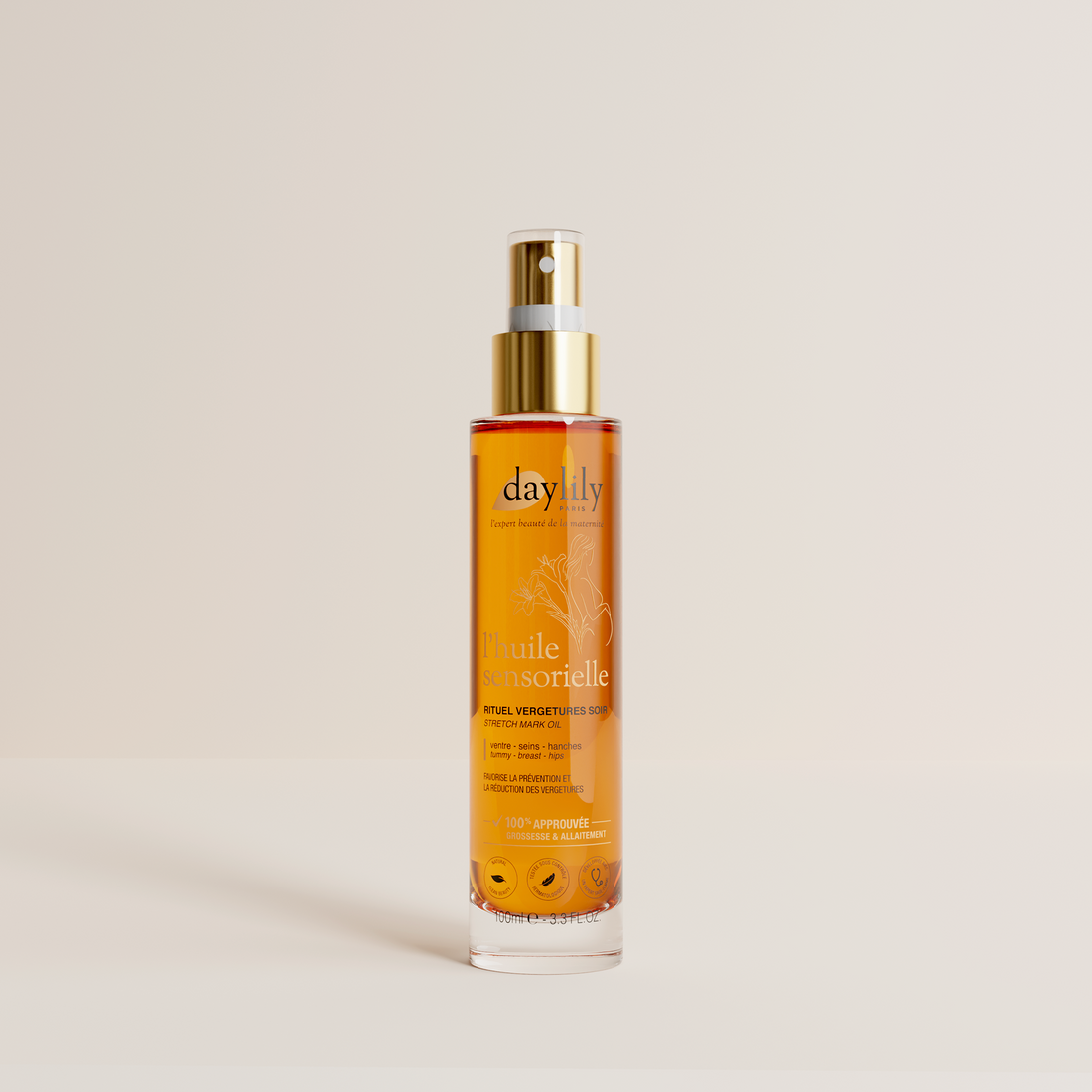
Which can be our essential oil-free sensory oil . These are anti-stretch mark oils formulated for pregnancy and breastfeeding.
=== product addition 1 ===
The Sensory Oil
=== product addition 1 ===
Its sensory texture nourishes the skin while gently supporting the massage.
After birth, some women also appreciate more targeted treatments to support skin recovery.
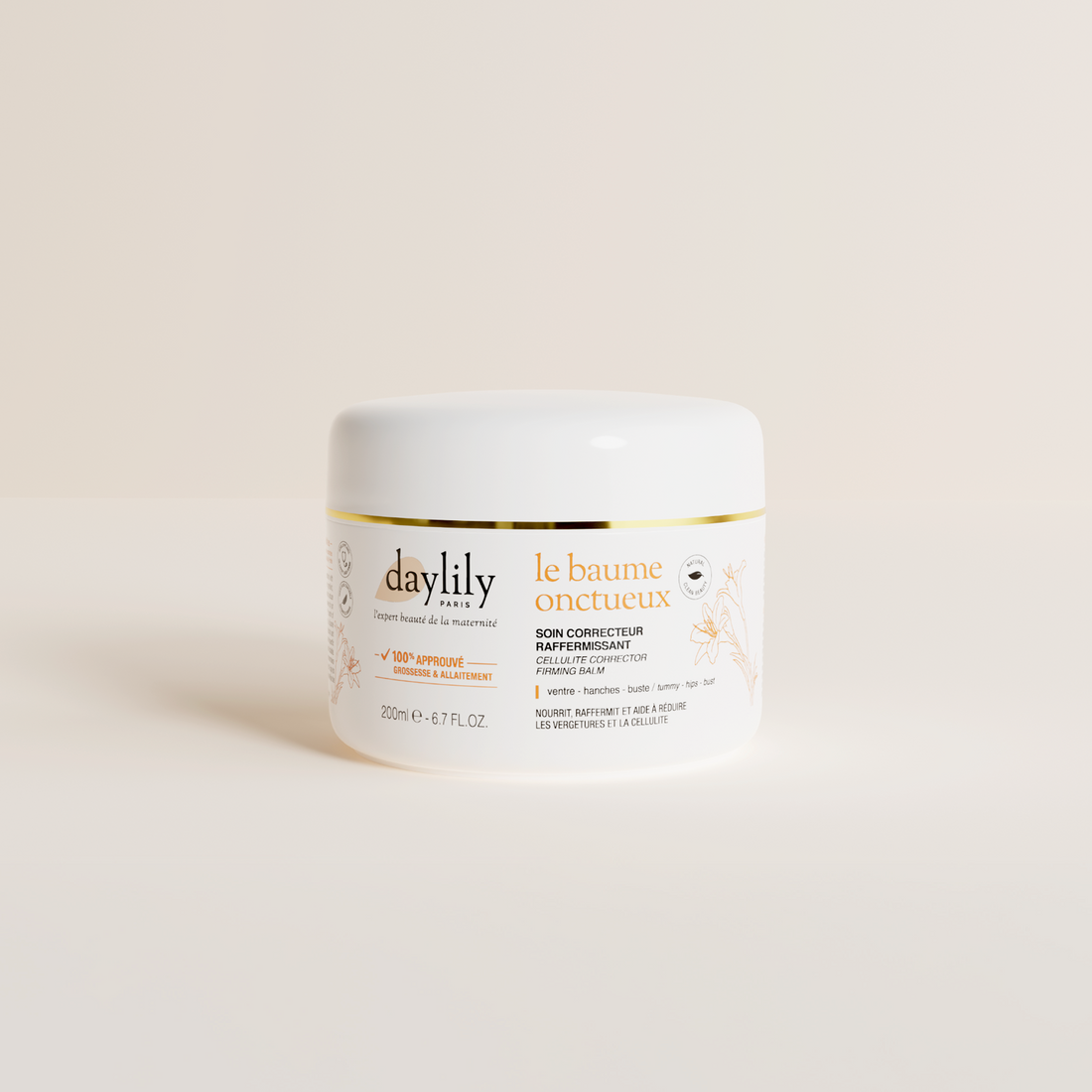
You can turn to post-pregnancy anti-stretch mark creams, like our Onctueux Balm.
=== product addition 2 ===
The Onctueux Balm
=== product addition 2 ===
Where to find a rebozo treatment practitioner?
The rebozo treatment is offered:
- by some doulas
- midwives
- specialized wellness practitioners
Before booking a session, it is important to check:
- the practitioner's training
- their experience around maternity
- the products used during the massage
Do not hesitate to ask questions about:
- the oils used
- the process of the treatment
- any possible contraindications
The opinion of our partner midwife
“The rebozo treatment can be a very beautiful support complement during maternity when it is practiced in a caring and safe setting. Many women appreciate this sensation of wrapping and grounding, particularly in postpartum.”
— Fabien Lequenne, our partner midwife Daylily Paris